
Yellowstone national park abiotic and biotic relationships
food chain
Producers: Algae, Arrowleaf balsamroot, Biscuit-root, Buffalo berry, Grass, Lupines, Whitebark Pine, Lodgepole Pine, Douglas Fir, Quaking aspen, Willows, Zooplankton
Primary Consumers: Trumpeter Swan, Bison, Elk, Moose, Deer, Red squirrel, Pronghorn, Bighorn Sheep, Mountain goat, Cutthroat trout
Secondary Consumers: Bald Eagle, Osprey, Pelican, California gull, River otter
Tertiary Consumers: Cougar, Coyote, Bobcats, Bears, Wolves, Lynx
predator-prey relationships
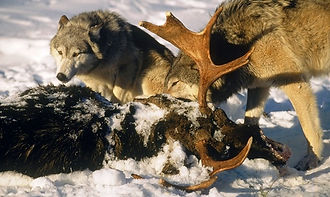
A predator-prey relationship is an essential process in an ecosystem. It is when a predator organism eats a prey organism. For example, the predator is a wolf and the prey is a deer. In this process, the predator, the wolf benefits while the prey, the deer, is harmed. This process is vital as it keeps the ecosystem balanced. If there are no wolves, the populations of its prey would increase, causing serious problems in the ecosystem. This was a previous problem at Yellowstone National Park. The elimination of wolves, caused by government predator control programs caused the populations of ungulates such as bison, elk and deer to increase rapidly and the ecosystem to go out of balance. As the ungulates overgrazed on vegetation important to soil and riverbank structure, the land was susceptible to erosion. With the reintroduction of wolves to Yellowstone in 1995, after 70 years, the ecosystem benefitted greatly.
BBC: Moose v Wolf Pack:
.png)
Competition

Competion is when organisms compete for the same limited resources. This could be food, water, light, space, shelter and mates. An example of this at Yellowstone National Park is competition between major predators, such as wolves, grizzly bears, black bears, cougars, coyotes and wolverines. They all predate on similar prey such as elk, deer, and bison. When they are desperate, wolverines will steal food from other major predators such as bears and cougars.
Bear Fights Wolf Over Meal:
Symbiotic relationships
Symbiosis is a relationship between two organisms of different species in which at least one of the organisms benefits. There are three types of symbiotic relationships between species, mutualism, where both organisms benefit, commensalism, where one organism benefits and the other neither benefits nor is harmed, and parasitism where one organism benefits while the other is harmed. An example of mutualism is when a bird eats the ticks off a bison's back. In this relationship, both organisms benefit as the ticks give the bird energy and the bison is rid of the ticks. An example of commensalism is when a bird uses a tree to nest in. In this relationship, the bird benefits while the tree is neither harmed or helped. An example of parisitismis when a tick sucks out a bison's blood. Here, the tick benefits as it gets food, but the bison may be harmed by risk of infection or disease.
